
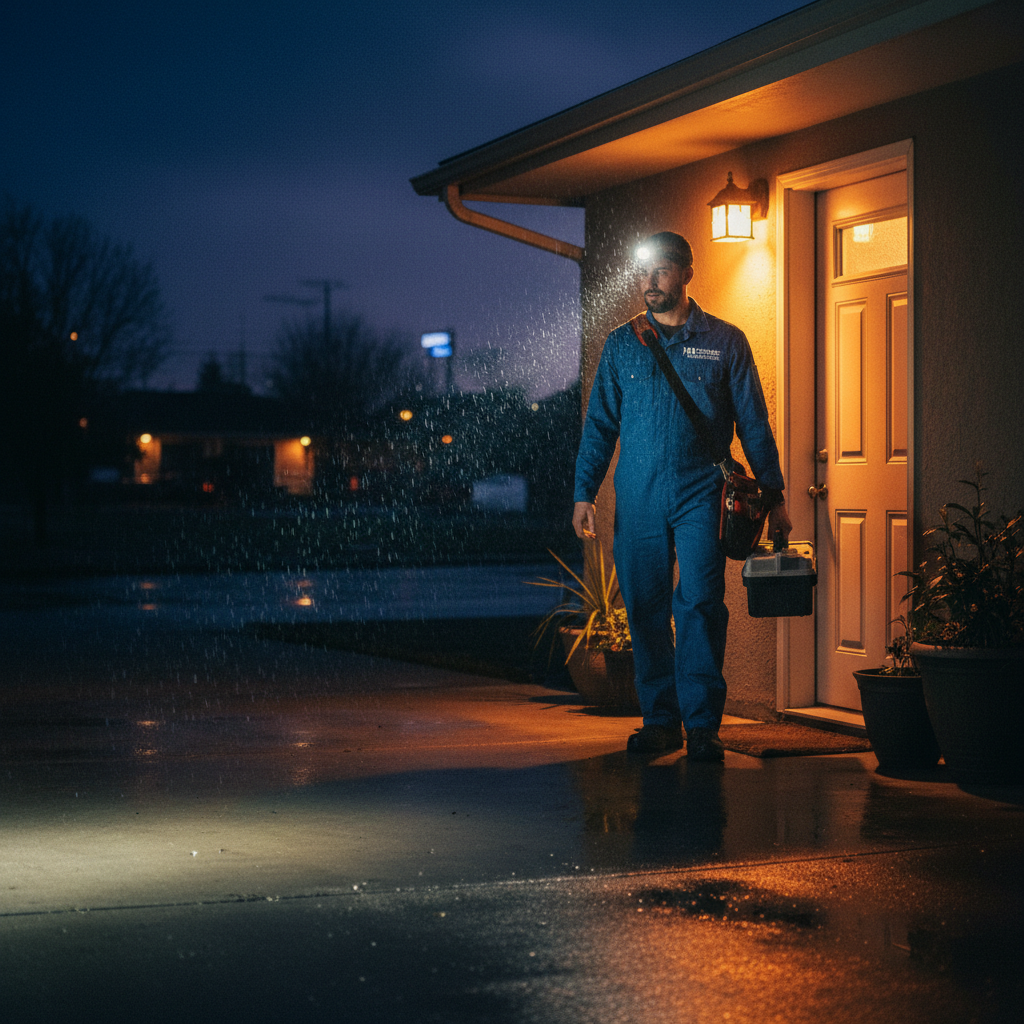
Why Canada's Winters and Older Cities Make Drain Emergencies So Common
Drain and sewer emergencies aren't random bad luck. Across Canada, the combination of hard freeze-thaw cycles, decades-old municipal infrastructure, and mature urban tree canopies creates conditions that push pipes toward failure — and Winnipeg sits near the top of that list. The city's oldest neighbourhoods still run on clay-tile and cast-iron sewer lines laid over half a century ago, many of them on combined sewer systems that carry stormwater and household waste through the same pipe. Add a deep frost line, a hard spring melt, and a canopy of mature elms and maples with root systems that have had decades to find every hairline crack in that old pipe, and you have a city where "sudden" backups are rarely sudden at all — they're the final stage of a problem that's been building quietly for months.
That's true well beyond Winnipeg's city limits too. Selkirk and St. Norbert sit on the Red River with genuinely high water tables. Rural communities like Headingley, Oak Bluff and East St. Paul run on private septic systems that behave very differently under stress. Fast-growing towns like Niverville and Steinbach are dealing with a newer problem: construction debris and settling backfill in brand-new lines. Different causes, same result — a drain emergency doesn't wait for business hours, and the town it happens in shouldn't change how fast you can get a real person on the phone.
The 6 Drain Emergencies We Get Called About Most — and What to Do Before We Arrive
Each of these has a different right answer. Doing the wrong one — plunging a toilet when the real problem is your main line, for example — can make the damage worse before help even arrives. Here's exactly what to do for each, in the minutes before a technician gets there.
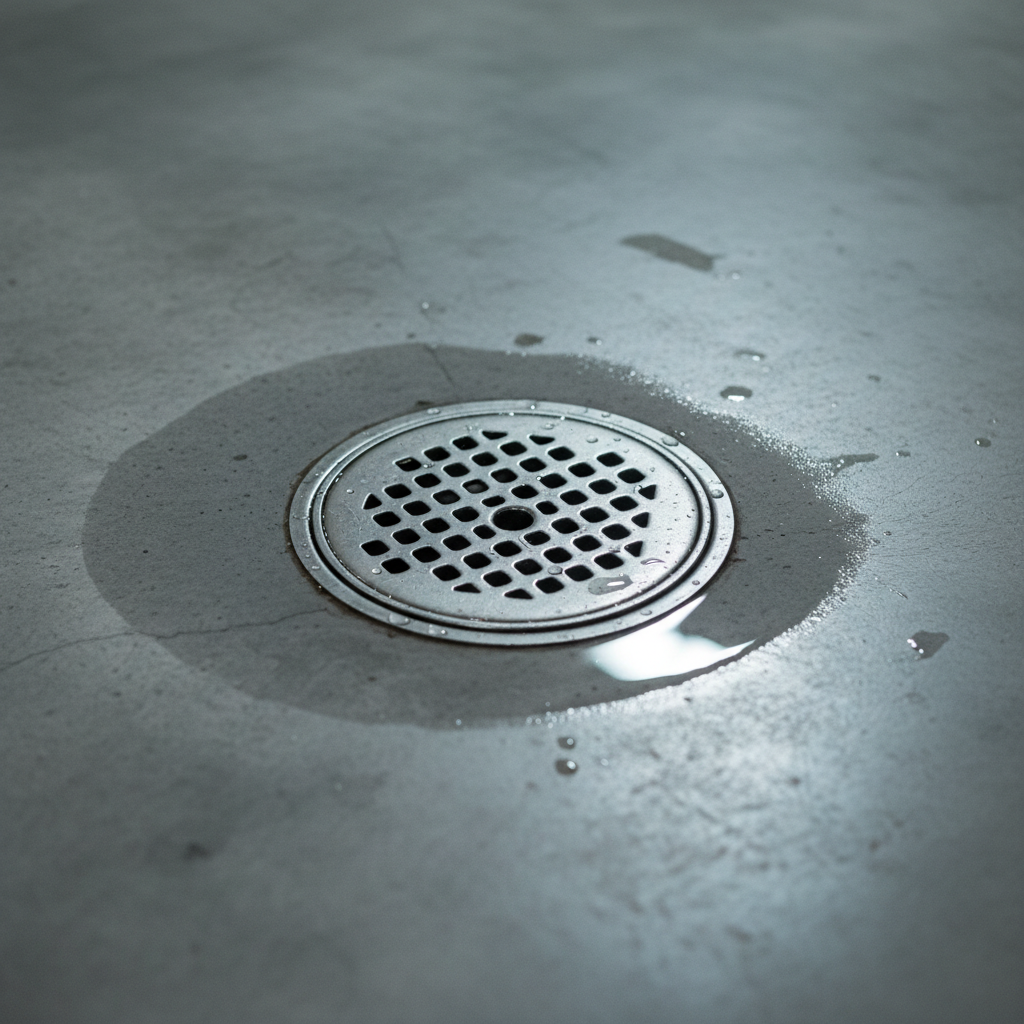
1. Sewage Backing Up Through a Floor Drain, Tub or Toilet
This is a contamination event, not a plumbing inconvenience, and it's the single most urgent call we take.
Do this now:
- •Stop using every fixture in the building immediately — every flush and every load of laundry adds volume to a line that already can't take what's in it.
- •Keep people and pets off the affected floor. Category 3 water carries bacteria and pathogens; treat it as contaminated, full stop.
- •If you can safely reach a breaker panel without stepping in water, cut power to the affected area.
- •Photograph the damage — walls, floor, the water line, everything affected — before any cleanup starts. Insurers ask for this every time.
- •Do not run a shop vac on sewage without proper protection, and don't pour bleach down the drain hoping it helps — it does nothing to the blockage and makes the space more hazardous for whoever opens that line next.
Full walkthrough: Sewer Backup in Your Basement? Do These 7 Things First
2. A Toilet That Won't Stop Overflowing
Do this now:
- •Reach behind the toilet and turn the shut-off valve clockwise until it stops. No valve, or it's seized? Lift the tank lid and hold the flapper down to stop water entering the bowl.
- •If other fixtures — a tub, a different sink, a floor drain — are also acting up, do not plunge it. That's a main line symptom, not a toilet problem, and plunging pushes more water into a line that has nowhere to send it.
- •If it's your only bathroom, or you're running a business with customers on-site, this counts as a real emergency — treat it as one.
3. Multiple Drains Backing Up at the Same Time
When your toilet, tub and a basement floor drain all act up together, the problem isn't any one of those fixtures — it's the main sewer line every one of them drains into.
Do this now:
- •Stop all water use across the entire building, not just the affected fixture.
- •Watch whether flushing one fixture makes a different one gurgle or rise — that confirms a shared main line problem.
- •Don't keep testing it by running more water "to see if it clears." It won't, and it adds volume to an already-blocked line.
More detail: 9 Signs Your Main Sewer Line Is Clogged
4. A Burst or Frozen Pipe
Do this now:
- •Shut off your main water valve immediately if there's active flooding from a burst.
- •For a frozen pipe with no water flowing yet, open the affected tap so pressure has somewhere to release, and apply gentle heat — a hair dryer or warm towels — starting from the tap end. Never use an open flame on a frozen pipe; it's a leading cause of house fires during cold snaps and can split the pipe outright.
- •Move anything valuable away from the area and start soaking up standing water if it's safe to do so.
Full prevention guide: How to Prevent Frozen Pipes in a Winnipeg Winter
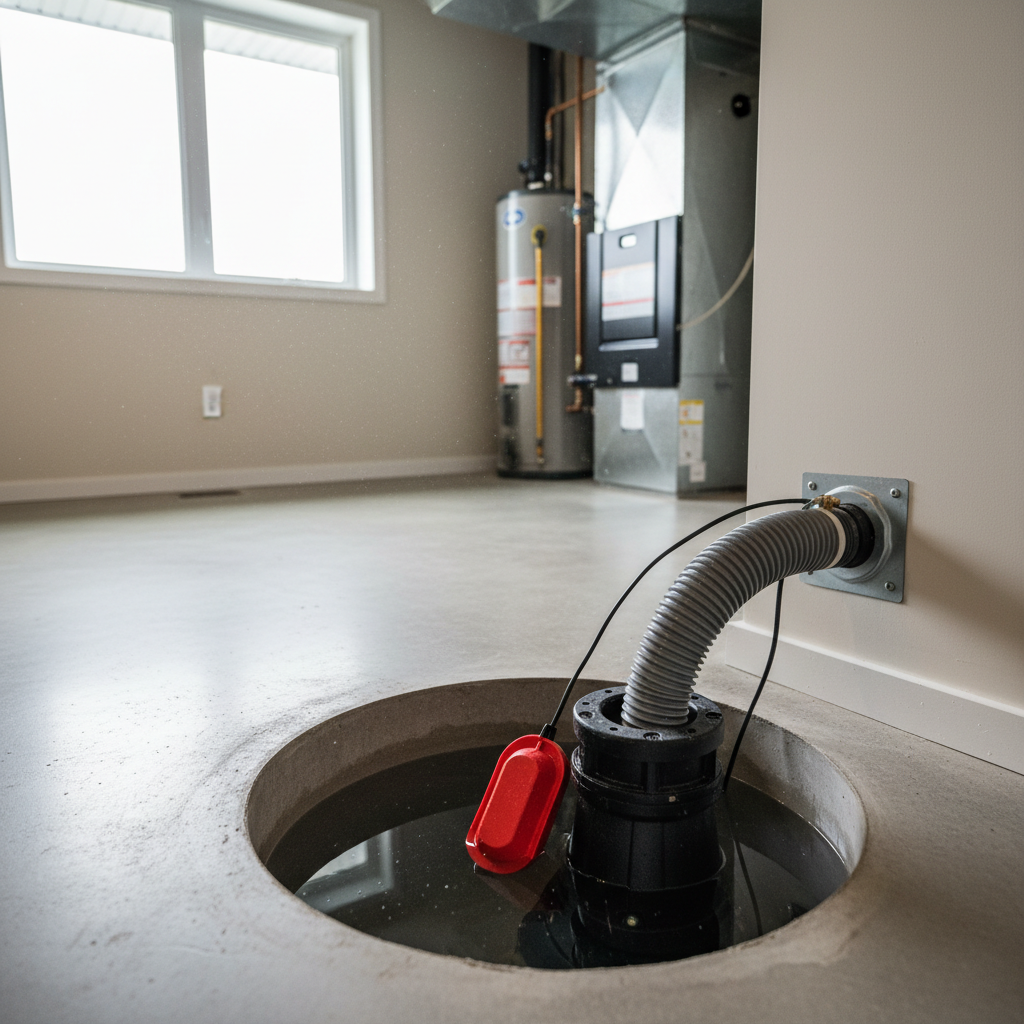
5. A Sump Pump That's Failed During a Storm or Spring Melt
Do this now:
- •Check whether the pit is actively overflowing or just running constantly without keeping up — that changes the urgency.
- •If you have a spare pump or a battery backup, this is the moment to switch it on.
- •Move stored items off the basement floor immediately, even before the water reaches them.
- •Do not run an extension cord through standing water to try to power a backup pump.
Full checklist: Winnipeg Sump Pump Maintenance: The Pre-Spring-Melt Checklist
6. A Restaurant or Commercial Kitchen Floor Drain Backing Up Mid-Service
Do this now:
- •Stop drainage into the affected area immediately — pause dish pit and prep sink use if you can reroute service.
- •Block the area off from customers and staff, especially if there's any standing water on the kitchen floor.
- •Photograph it for your own records before cleanup, particularly if a health inspection could follow.
- •Call us and tell us it's an active commercial kitchen emergency — we prioritize these calls because every hour closed is real lost revenue.
More on keeping this from happening again: Restaurant Grease Line Cleaning: How Often Winnipeg Kitchens Really Need It
Drain or sewer emergency happening right now?
Your 24 hour plumber answers live — not an answering service. Upfront flat pricing for every emergency plumbing call.
What Never Helps in a Drain Emergency
Chemical drain cleaners. They rarely clear a real blockage, they generate heat that can damage older pipe, and if the line still doesn't clear, that chemical is sitting in the trap waiting for whoever opens it next. Full detail: Do Chemical Drain Cleaners Damage Your Pipes?
"Running more water to flush it through." On a genuine blockage, this doesn't clear anything — it just adds volume to a system that already can't process what's in it.
Waiting until morning "to see if it settles." Water sitting on a floor doesn't stay contained. Drywall wicks it up within hours; contaminated water spreads to anything porous it touches. The fix is a service call. The delay is a restoration project and an insurance claim.
Guessing which fixture is the real problem. A slow bathroom sink and a blocked main line can look similar in the first five minutes and need completely different responses.
What Happens When You Call Us
- 1
A real technician answers — call or WhatsApp, any hour.
Not an answering service reading a script. Tell us what's happening and which fixtures are affected.
- 2
We triage over the phone first.
Which drains are acting up tells us in seconds whether this is one fixture or a shared main line, and you get a realistic price range before anyone drives out.
- 3
We arrive fully equipped.
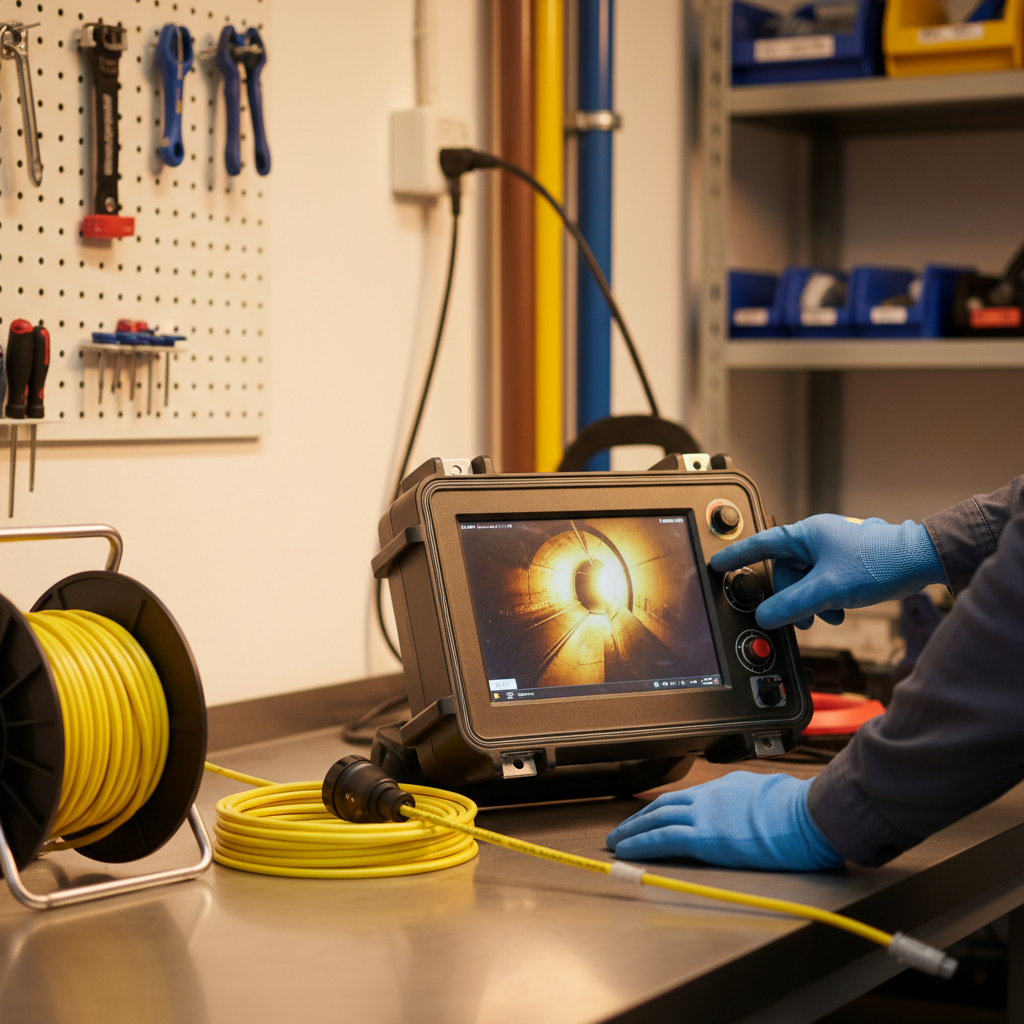
Full-size drain machines, a hydro jetter, an HD camera and a locator on every truck — not "we'll come back tomorrow with the right tool."
- 4
You approve a flat price before we touch anything.
No hourly meter running while we figure out the problem.
- 5
We clear it and prove it.
A full-flow test, and a camera pass where it's useful, so you can see the line is actually clear — not just quieter for now.
- 6
We clean up and tell you the truth about prevention.
Including when the honest answer is that you don't need anything else.
Why Winnipeg and Manitoba Trust Pro Drain Cleaning for Emergency Calls
Emergency drain cleaning and emergency sewer response are all we do. Not a sideline between furnace calls — a specialist crew that clears in one visit what a generalist often needs three visits to solve.
Genuinely answered 24/7. Christmas morning, a Sunday at 3 a.m., the coldest week of January — a real person picks up every time.
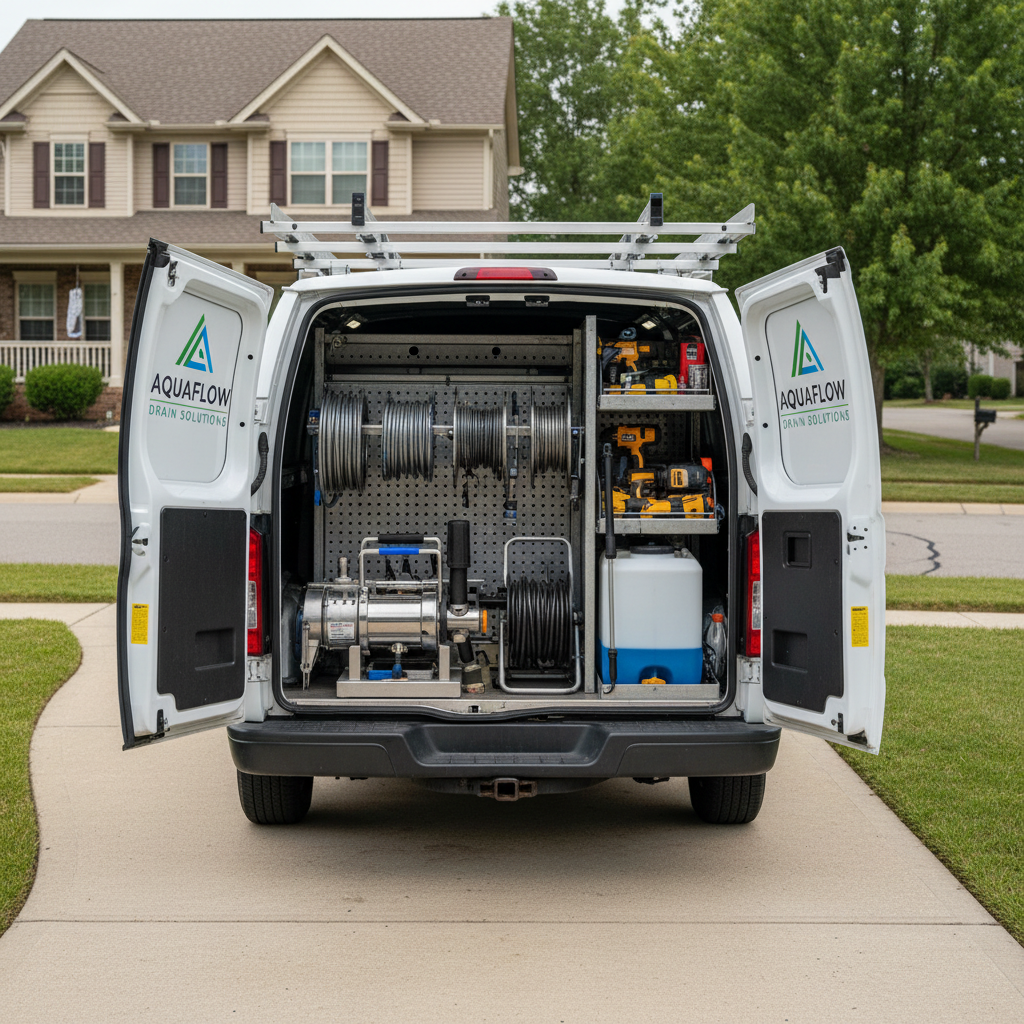
Commercial-grade equipment on every truck, standard — sectional and drum augers, a hydro jetter, an HD camera, a line locator.
Upfront flat pricing, approved by you before work starts, even on an emergency call.
Camera-verified results. We show you the cleared line on screen and send you the footage — proof, not just a promise.
We protect your home. Boot covers, floor mats and containment on every job, and we clean up completely before we leave.
Locally owned and operated, working these specific neighbourhoods and towns, not a national call centre routing you to a subcontractor.
Every Community We Answer Emergency Calls In, 24/7
Wherever you're calling from within roughly 100km of Winnipeg for emergency plumbing or emergency sewer service, this is the same team, the same live-answered phone line, and the same upfront pricing — not a different subcontractor with a different standard.

- •Winnipeg— every neighbourhood, from older clay-pipe areas like River Heights, Wolseley and Elmwood to newer developments like Sage Creek and Bridgwater.
- •Selkirk— riverside homes and Selkirk's older core housing stock.
- •St. Norbert— at the confluence of the Red and La Salle, with a high water table and real flood history.
- •Headingley— semi-rural properties, many on private septic and well systems.
- •Oak Bluff— newer acreage development with heavy clay soil and sump-dependent basements.
- •Lorette— a mix of older homes and new builds southeast of the city.
- •Niverville— one of Manitoba's fastest-growing towns, with the construction-debris issues that come with rapid new development.
- •Steinbach— the region's largest centre outside Winnipeg, with a substantial restaurant and commercial sector.
- •Stonewall— limestone country, with the hard water and scale build-up that comes with it.
- •East St. Paul & West St. Paul— largely septic and well, high water tables along the Red.
- •Ile des Chenes, St. Adolphe, Oakbank, Dugald, Beausejour, Teulon, Gimli, Portage la Prairie, Morris and Carman — and every community in between, within 100km of Winnipeg.
If your town isn't listed by name, call anyway — if you're within roughly 100km of Winnipeg, we almost certainly cover it, and we'll tell you honestly on the phone if you're outside our range.
Frequently Asked Questions
Talk to Us Right Now
Call or WhatsApp: +1 (204) 399-4413 — answered 24 hours a day, every day of the year
Email: [email protected]
Or fill in the emergency contact form below and we'll call you back immediately — but if water is actively rising right now, don't wait for a callback, call.
Request an Emergency Callback
Related Reading
Blocked drain right now?
Pro Drain Cleaning answers 24 hours a day, 7 days a week, across Winnipeg, Selkirk, St. Norbert and every community within 100km. Upfront pricing before we start — always.